01
Initial Assessment
We discuss your starting issues and review the vehicle’s electrical symptoms to plan checks.
VoltStart Auto is an informational resource for drivers experiencing engine starting difficulties. It describes battery testing methods, alternator and charging system checks, and the criteria used when matching a battery to vehicle specifications.
View Request Form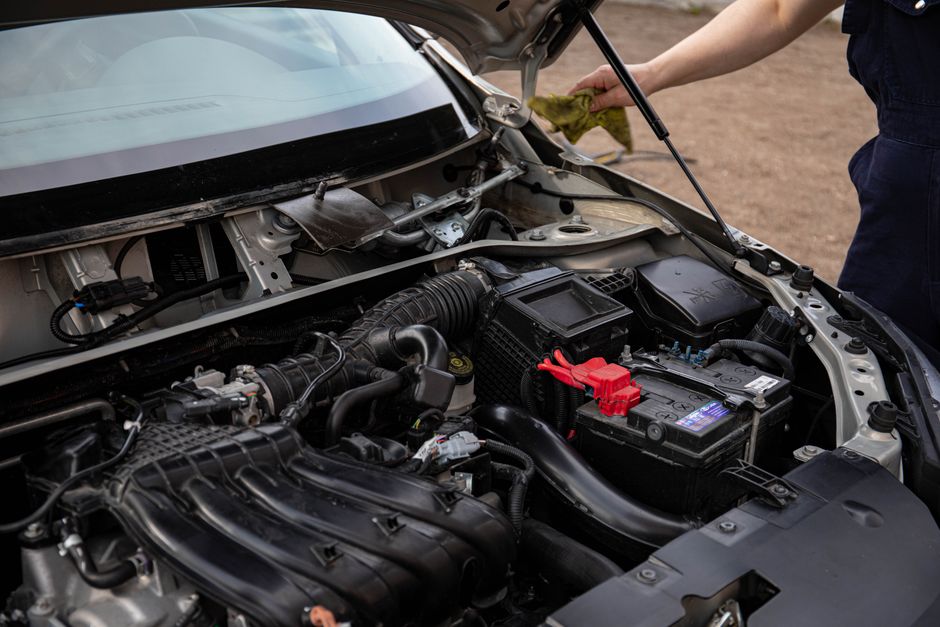
Starting difficulties are often linked to battery or electrical system issues. Common indicators include slow engine cranking, dim headlights, a clicking sound when turning the key, or intermittent warning lights. Battery testing typically involves measuring open-circuit voltage with a multimeter, assessing the ability to hold charge under load with a conductance tester, and inspecting terminals for corrosion or secure connections. Alternator and charging system inspection generally includes measuring output voltage when the engine is running at idle and under load, checking the serpentine belt condition and tension, and verifying that the battery warning light operates correctly. When selecting a replacement battery, factors considered are case size and terminal layout, cold cranking amps (CCA), ampere-hour (Ah) capacity, and compatibility with the vehicle's charging system and electrical demands. Diagnostic outcomes are always conditional on multiple variables such as battery age, temperature, driving patterns, and the presence of other electrical faults.
VoltStart Auto provides battery replacement and electrical diagnostics for vehicle owners in the United Kingdom. Services include battery testing to assess charge and condition, charging system checks covering the alternator and related components, and battery selection guided by manufacturer specifications for the vehicle. Diagnostics follow structured processes using appropriate testing equipment, and findings are presented factually. Battery choices are discussed with reference to compatibility parameters, equipment requirements, and installation factors. Drivers may be involved in deciding whether replacement or further assessment is appropriate for their vehicle, as each route depends on the vehicle, equipment and presenting condition.
We discuss your starting issues and review the vehicle’s electrical symptoms to plan checks.
The battery is tested for voltage, capacity, and condition using standard diagnostic equipment.
Alternator and charging circuit are inspected to identify any irregularities affecting battery performance.
A compatible battery is chosen, installed correctly, and the system is rechecked after fitment.
The information provided was clear and easy to follow. The testing process seemed thorough, and I appreciated the transparent explanation of each step. Experiences may vary.
I found the service well-organised, with detailed explanations throughout. The battery testing was comprehensive, though individual results differ. It's useful for understanding the process.
The overall approach was transparent and informative, covering testing, battery selection, and charging system checks. Helpful for someone feeling overwhelmed by technical details, but experiences vary.
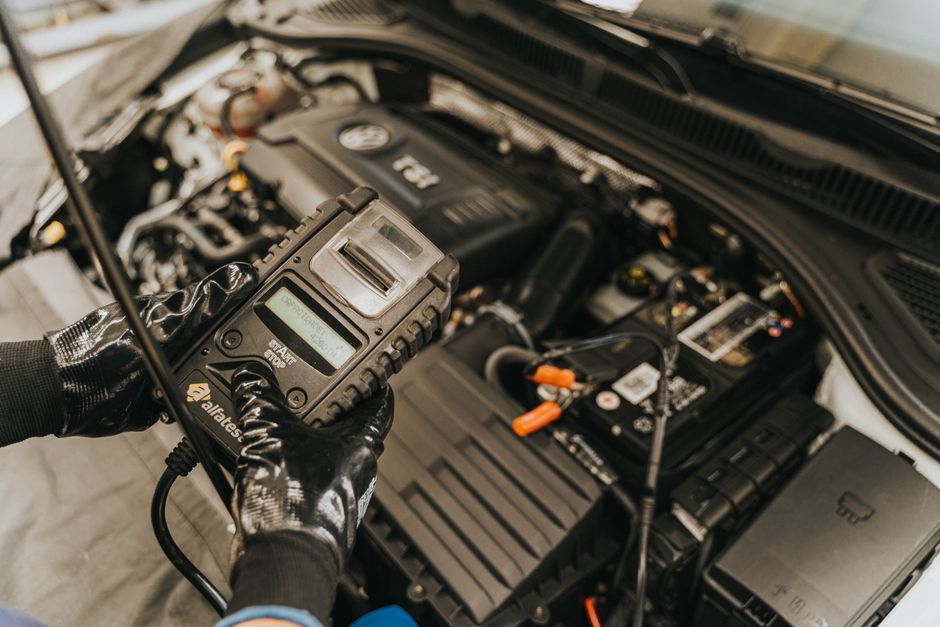
Battery testing is a diagnostic method used to assess the condition of a vehicle's battery. It typically involves measuring parameters such as voltage, cold cranking amps (CCA), and internal resistance. These measurements provide an indication of the battery's current state and capacity. However, testing is one of several factors considered in the overall assessment of starting issues. Results are interpreted alongside other diagnostic information and the vehicle's specific configuration. This approach helps to build a more complete picture of the electrical system's performance, without confirming a single cause.
Inspecting the alternator and charging system is a complementary procedure that helps build a fuller picture of how the battery performs in service. These checks examine whether the charging circuit operates within expected parameters, which can influence battery behaviour over time. Since starting problems may involve multiple interacting factors, a holistic approach — combining battery tests with charging system inspection — provides broader context for understanding the electrical setup. Such assessments offer information rather than definitive conclusions.
Battery and electrical checks follow recognised procedures for consistent, repeatable assessment across vehicle types.
Battery selection takes into account the manufacturer-specified capacity, dimensions and terminal layout for each model.
Diagnostic testing of the charging system and electrical circuits is available to identify where faults may originate.
Each stage follows a defined sequence of testing, verification and documentation, with findings explained in context.
At VoltStart Auto, battery selection follows a structured comparison against the vehicle manufacturer's specifications. Physical dimensions and terminal layout are checked for fitment, while capacity and cold cranking amps are matched to the original requirements. Our approach is based on matching these parameters rather than making broad compatibility claims. Because vehicle variants can differ, we always recommend verifying compatibility against the handbook or with a qualified technician before installation. This method is intended to provide a clear, transparent basis for identifying a suitable battery, while recognising that final suitability depends on the specific vehicle and its condition.
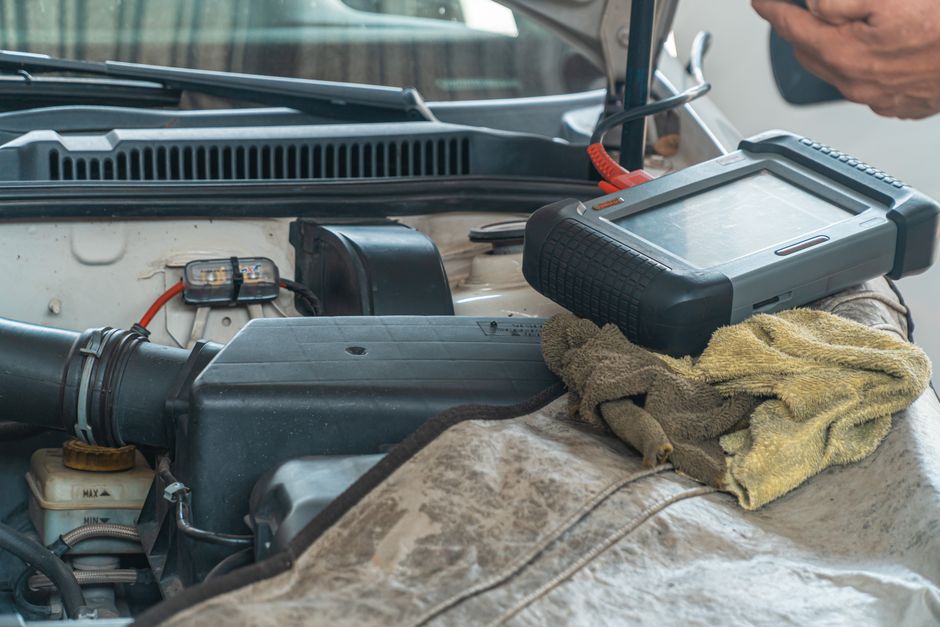
Diagnosing starting issues often extends beyond the battery itself. Parasitic draws, where a circuit continues to draw current after the ignition is off, and connection problems such as loose or corroded terminals, can affect electrical performance. A diagnostic overview typically involves measuring current flow, inspecting wiring and connections, and isolating individual circuits to identify where anomalies occur. Faulty relays, damaged cables, or poor grounds may also contribute. Understanding these possibilities helps in forming a structured approach to electrical system evaluation, always as part of a broader assessment and not as a substitute for professional inspection.
Check terminal connections, mounting security, and visible signs of wear or damage.
Measure voltage and cold cranking amps (CCA) to ensure the new battery meets specifications.
Verify alternator output and charging voltage under load to confirm proper functioning.
Assess starter motor current draw during cranking to rule out excessive resistance.
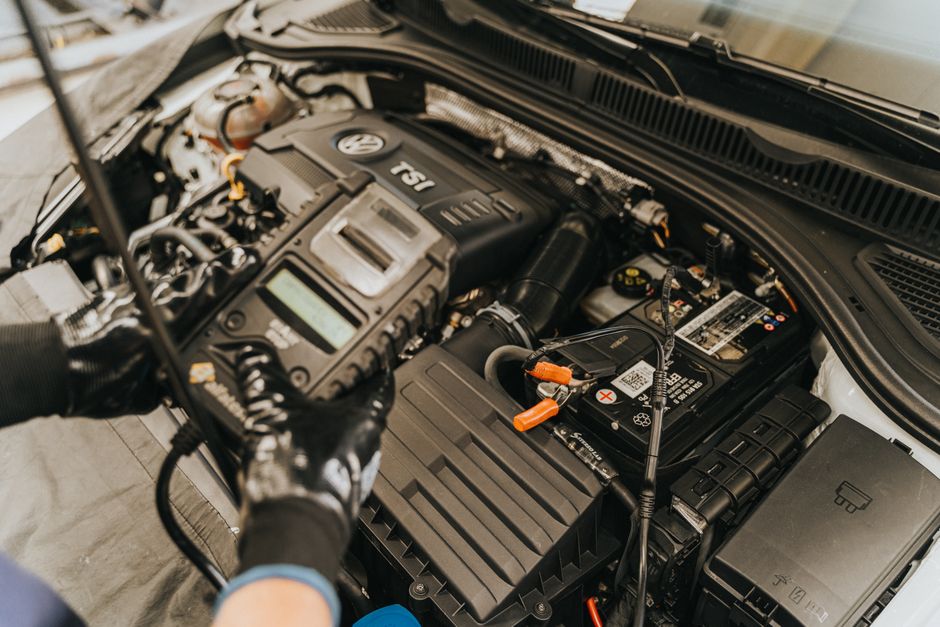
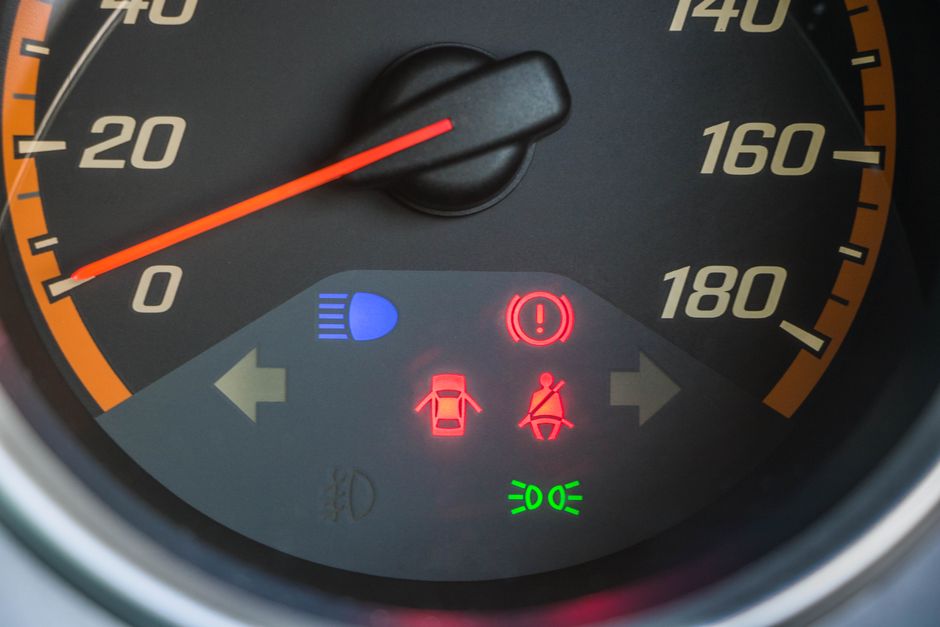
Images show battery testing equipment in use, charging system components and connections, examples of battery selection by vehicle parameters, and battery installation within a compatible vehicle setup.
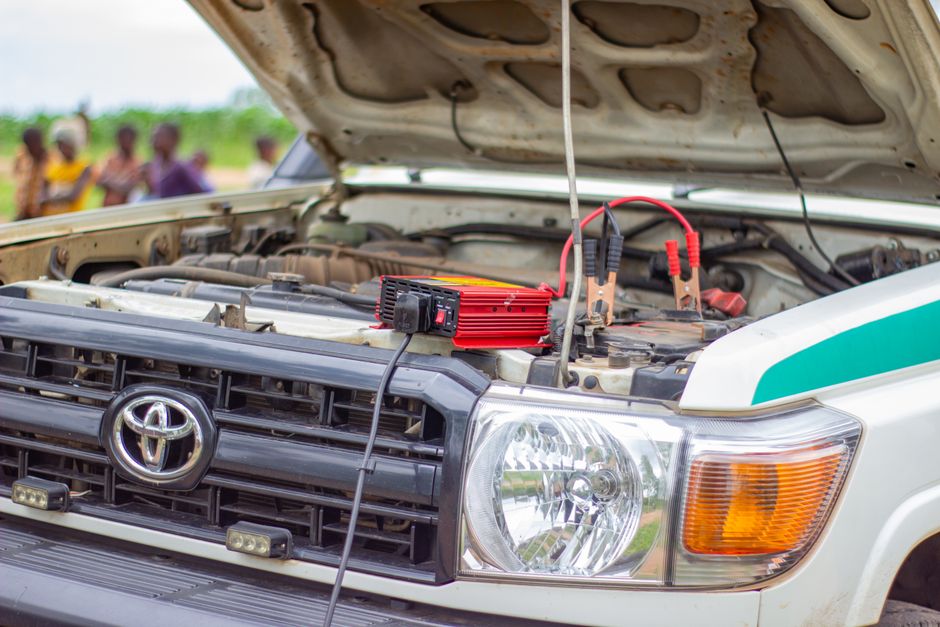
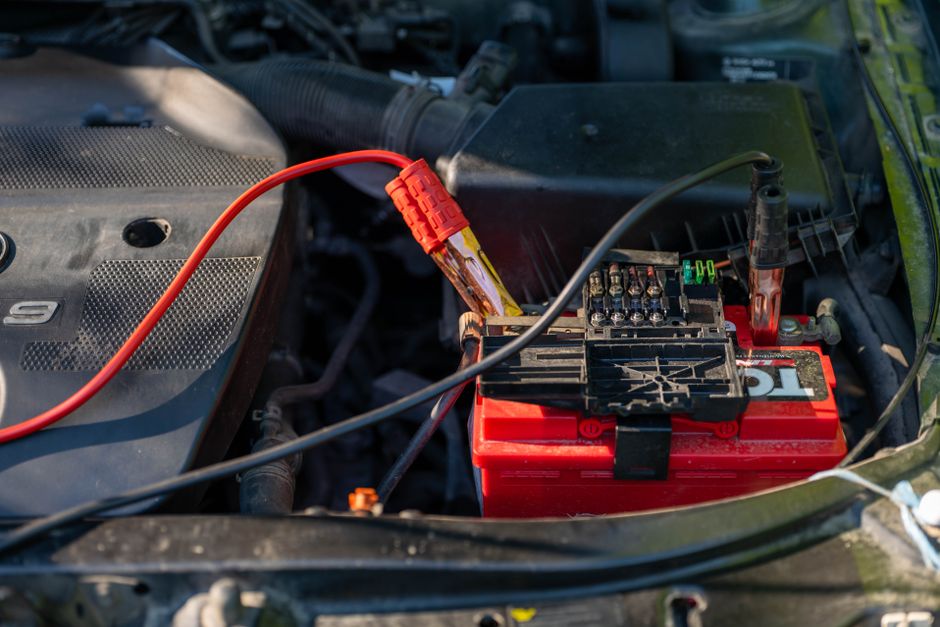
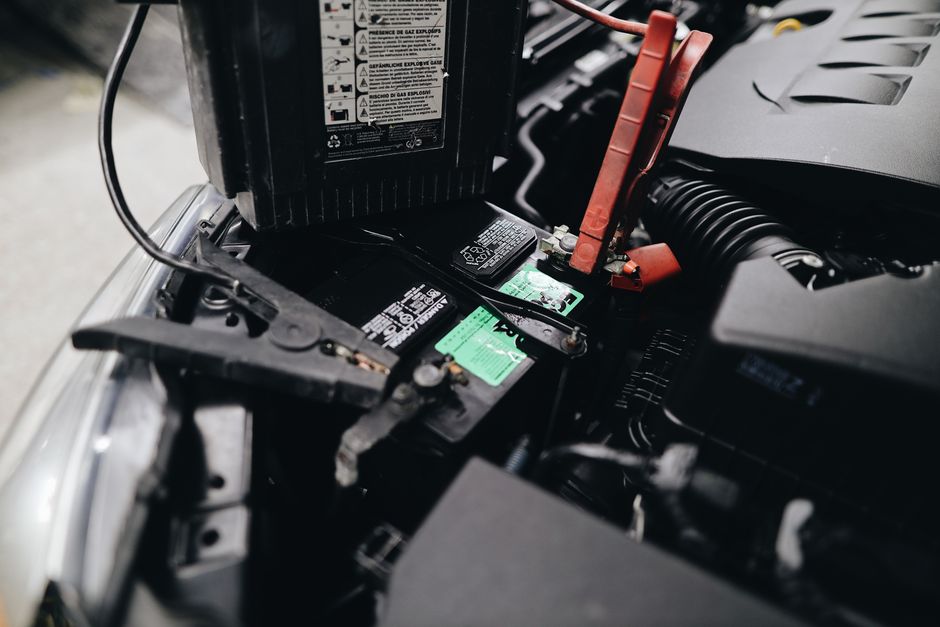
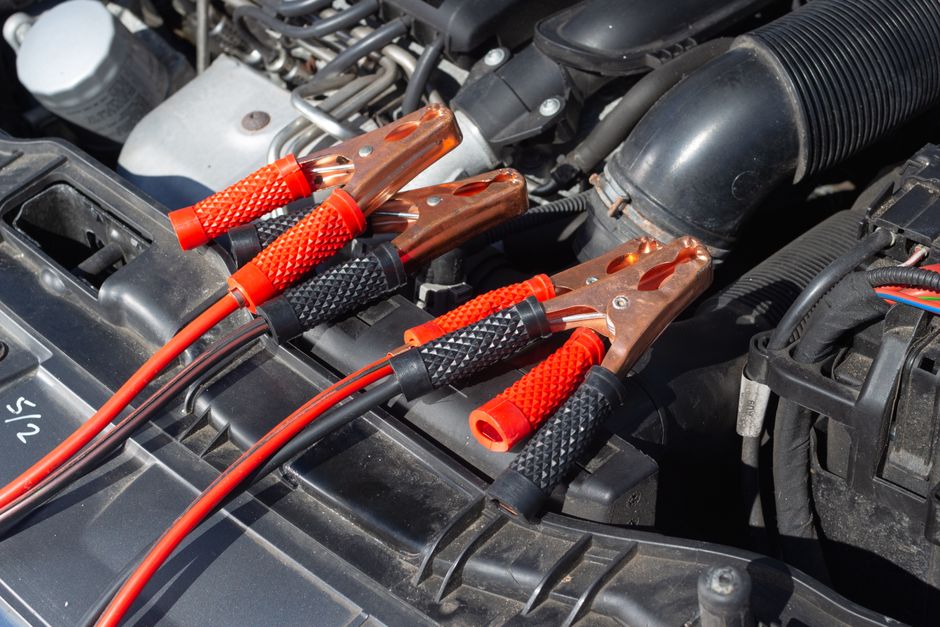
Battery life and electrical system behaviour are shaped by a combination of usage and environmental conditions. Driving patterns, for example, influence charging opportunities: frequent short trips may not allow the alternator sufficient time to replenish the battery, while longer journeys can support a more consistent charge. Climate also plays a role, as temperature extremes can affect battery chemistry and charging efficiency. Maintenance history is another consideration; previous inspections, replacements, or repairs can provide useful context about the system’s current state. These factors are general observations rather than predictions of specific outcomes. At VoltStart Auto, we present testing and inspection as informational methods to help owners understand their vehicle’s electrical condition, without assuming that any single factor will determine performance. The interaction of these variables means that individual experiences can vary.
VoltStart Auto offers battery testing, charging system checks, and battery replacement. Every service follows a structured procedure that includes an assessment of the battery, alternator, and related charging components. For replacement, batteries are selected to match the vehicle's specified requirements. We follow established methods to provide clear information about each step. Outcomes can vary depending on the individual condition of each vehicle and other factors. Our approach is process-oriented, with a focus on explaining the work performed and the criteria used, so you can make informed decisions based on the findings.
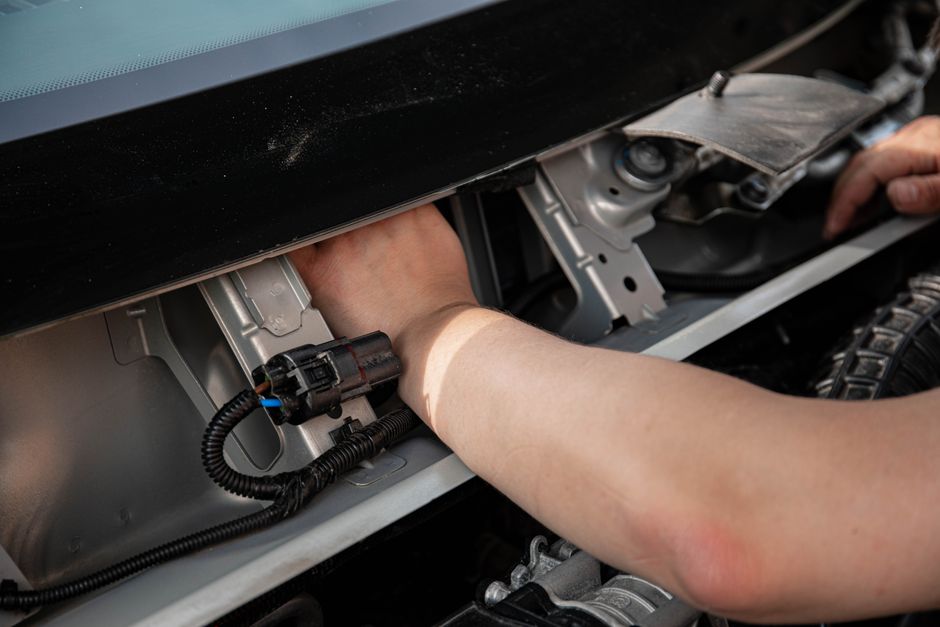

Voltage and load tests provide measurable data on battery condition and charging behaviour.
Alternator output and charging system performance are assessed against manufacturer specifications.
Replacement batteries are matched to your vehicle's required size, capacity and fitment parameters.
Findings and test results are explained clearly before any work or replacement is discussed.
Find VoltStart Auto's service location on the map or send a message with details about your vehicle's starting or electrical issue for a factual reply.